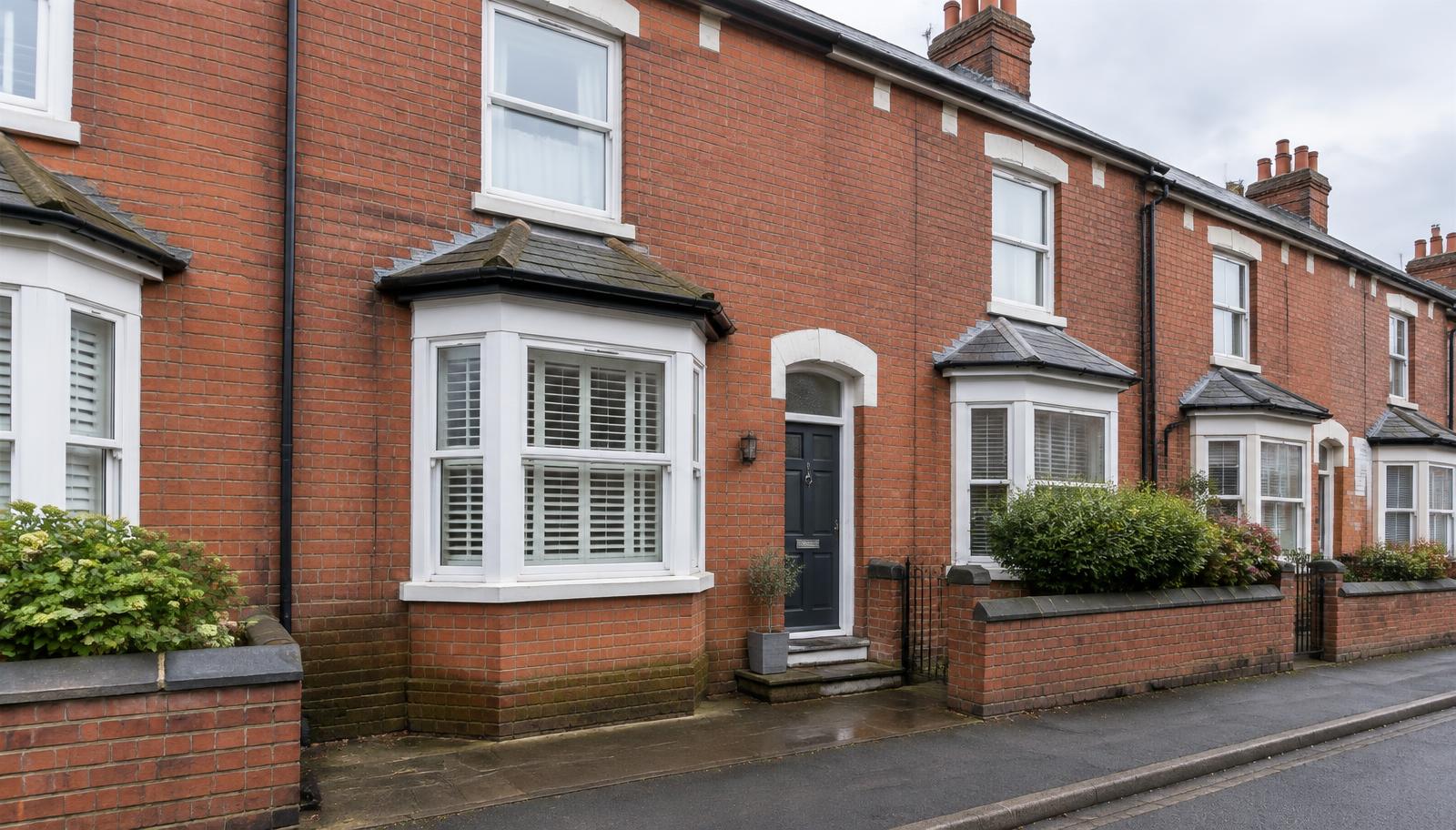
Finding the word “damp” in a valuation or survey can make a perfectly manageable house purchase suddenly feel much more serious.
But damp does not automatically make a property unmortgageable.
A small area of condensation is very different from widespread moisture that has caused timber decay or left the valuer unable to establish the condition of the property. What matters is the cause, the extent of the problem, the repairs genuinely required and whether the lender’s valuer remains satisfied that the property is suitable security.
Some lenders may proceed without further action. Others may ask for a damp and timber report, require repairs before completion, hold back part of the mortgage or wait for further evidence before making a decision.
Paying for damp treatment before anyone has established where the moisture is actually coming from can be an expensive mistake.
If a valuation has already caused problems with your mortgage, FG & Cook’s specialist lending service is designed for cases where the property itself falls outside straightforward lending criteria.
Can a lender refuse a mortgage because of damp?
Yes, but that is not the normal outcome of every damp finding.
The lender is interested in the property because it will be security for the mortgage. Its valuer therefore needs to be satisfied that the home has an acceptable value, remains saleable and does not contain a defect serious enough to undermine that security.
Minor moisture may have little effect. The position becomes more difficult when the damp is extensive, the cause is unknown, structural timber may have decayed, substantial repairs appear necessary or the valuer cannot establish how much the work is likely to cost.
Current Santander criteria give a good example of the process. If its valuer notices damp, cracking or a similar issue, further investigation may be required before the lender decides whether it will lend. Nationwide similarly states that its valuers may request a damp and timber report to establish whether a property is suitable security and what work may affect the value.
So when somebody says a house has “failed the mortgage because of damp”, there is usually more detail behind that statement. The lender may simply be saying: we do not yet have enough information to value this property with confidence.
That is very different from saying that no mortgage lender will ever accept it.
What does “damp” actually mean?
Damp is not really a diagnosis. RICS describes it as excess moisture that should not be present. The next question is where that moisture is coming from.
It might be rainwater entering around defective roof coverings, chimneys, gutters or windows. It could be a plumbing leak, high external ground levels, condensation caused by inadequate ventilation, moisture associated with a basement or sub-floor problem, or water rising through porous materials from the ground.
And sometimes the initial diagnosis is wrong.
“Rising damp” is a particularly good example. Moisture can move upwards through porous material by capillary action, but RICS warns that the term is often misused and that failure of an original damp-proof course is extremely rare. Simply recording a high meter reading at the bottom of a wall does not establish why that reading is high.
If rainwater is entering because of a broken gutter, the sensible repair could be relatively simple. If there is extensive wet rot or dry rot affecting concealed floor or roof timbers, the repair may be much more disruptive and expensive and could affect structural elements.
Older solid-walled buildings also need to be understood in the context of how their materials manage moisture. Traditional construction often relies on permeable materials such as brick, stone, lime mortar and timber being able to absorb and release moisture. Inappropriate impermeable finishes or retrofit measures can obstruct drying paths and contribute to damp or decay. That is why a standard chemical damp-proofing or tanking specification should not be adopted automatically without investigating the building, moisture source, ground levels, ventilation and existing materials first.
The diagnosis should come before the treatment.
What happens when the mortgage valuer finds damp?
The mortgage valuation belongs to the lender. It is there to help the lender decide whether the property provides adequate security. It is not a detailed survey carried out for you as the buyer.
Nationwide explicitly warns borrowers not to rely on its mortgage valuation to identify property defects and recommends obtaining a Level 2 or Level 3 Home Survey for the buyer’s own purposes. Halifax likewise distinguishes between its mortgage valuation and more detailed surveys.
Where damp is obvious or potentially significant, the valuer may consider it minor and provide the valuation without further action. They may instead request a specialist report before giving a final opinion, recommend particular repairs, provide a value subject to a retention or, in a serious case, be unable to recommend the property as suitable security until the defect has been investigated.
Occasionally this produces what buyers describe as a £0 or nil valuation.
That does not mean the house is literally worth nothing. It can mean that the valuer is unwilling to provide the lender with a usable mortgage valuation until the uncertainty has been resolved.
A valuation held up because a report is missing can potentially move forward once satisfactory evidence arrives. A property with extensive decay and major unresolved water ingress presents a different problem entirely.
Does the damp have to be repaired before completion?
Sometimes. Not always.
The answer will depend on what the valuer reports and what that particular lender requires.
A lender might agree to proceed in the property's existing condition. It might require specified work before completion. Or it could use a retention, meaning part of the mortgage advance is held back until the work is completed and the property has been reinspected satisfactorily.
That last option can catch buyers out.
Imagine, purely as an example, that you agree to buy a property for £300,000 with a £30,000 deposit and expect a £270,000 mortgage.
If the lender agrees the mortgage but retains £10,000 until damp repairs are completed, only £260,000 may initially be available from the lender. You could therefore need to find £40,000 rather than £30,000 to complete the purchase, before allowing for the repair bill and your other buying costs.
The precise mechanics depend on the lender and offer, but the point is straightforward: a retention is not just a technical note on a valuation. It can create an immediate cash requirement.
Repairs do not necessarily end the process. The lender may want invoices, guarantees or a reinspection before releasing retained funds, and a reinspection or valuation administration fee may also apply depending on the lender and valuer.
Nationwide's current policy, for example, states that if remedial damp-treatment works are required following a requested damp and timber report, the borrower must have cover through a 10-year insurance-backed guarantee, with the guarantee in the applicants' names or transferable to a new owner.
That is a Nationwide requirement, not a universal rule applying to every lender.
This is why arranging expensive treatment before you know what your lender and valuer actually require can be the wrong way round.

What sort of damp report should you obtain?
Start by finding out what question needs answering.
If your lender has specifically requested a damp and timber report, ask what qualifications, scope and wording it will accept before paying for one. Lender requirements are not identical.
Halifax, for example, currently publishes accepted qualifications for specialist timber and dampness reports, while Nationwide requires reports requested by its valuer to meet its own stated standards.
From the building-condition side, independence is equally important.
RICS, Historic England and the Property Care Association jointly support the Joint Position Statement 2022 on investigating moisture in traditional buildings. Its core principle is a whole-building approach: understand the building in context, identify the source of excessive moisture, use suitable evidence rather than isolated readings, and recommend proportionate work that respects the construction.
RICS also warns against diagnosing a damp problem solely from a moisture meter and recommends an opinion from somebody without a commercial interest in selling a treatment product.
That does not mean a reputable damp-treatment contractor cannot identify a genuine defect or carry out good work. It means you should understand the difference between diagnosis and selling a remedy.
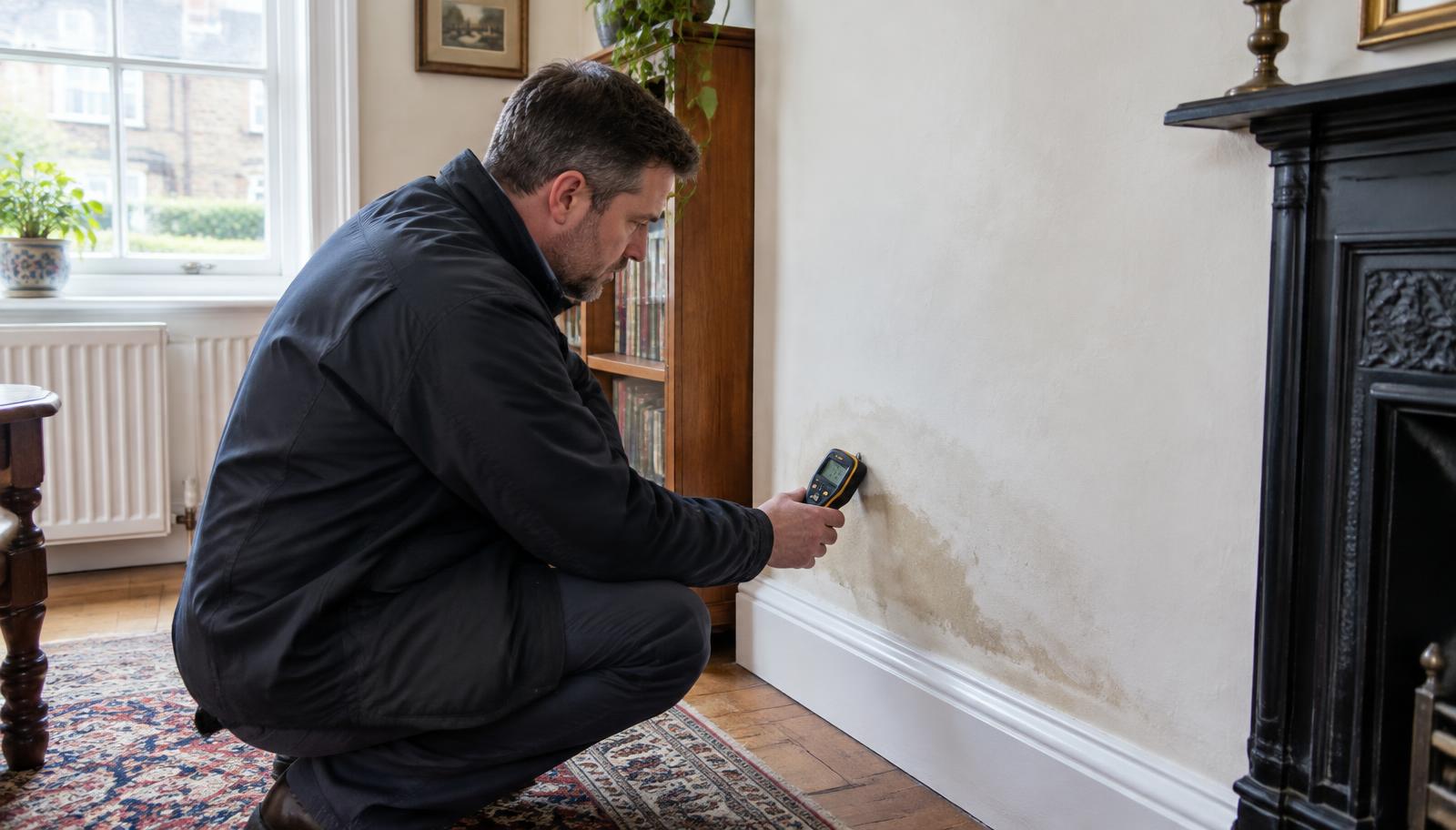
An electrical moisture meter is highly useful when measuring moisture in timber. Used on masonry, however, other conductive materials, including salts, can contribute to high readings. A row of red numbers on a meter is therefore evidence that deserves investigation, not proof that a wall needs a chemical damp-proof course.
A useful investigation should try to establish the moisture source, extent of the problem, affected building elements, whether timber decay is present, the work genuinely needed and the likely cost.
That is the information that helps both you and the lender make a sensible decision.
What should you do if you're buying or remortgaging?
If damp has already been flagged, avoid treating it as either a disaster or something to dismiss.
Get the wording from the valuation or survey first. There is a big difference between “localised moisture readings noted” and “significant dampness and suspected timber decay; specialist investigation required before a valuation can be provided”.
Then establish what the lender wants. Do not assume that the recommendation in your own Home Survey is automatically the same requirement that the lender will impose.
If additional investigation is required, get the cause properly diagnosed before agreeing to treatment. Obtain realistic repair costs and decide whether those costs alter what you are willing to pay for the property.
For a leasehold flat, also establish who is responsible for the part of the building causing the damp. A leaking communal roof, defective shared gutter or problem with an external wall may fall under the landlord, freeholder or management company depending on the lease. Your solicitor should check the repairing obligations and establish what work is planned, who will pay for it and whether any service-charge or major-works liability could affect you after completion.
If you are buying, resolve the mortgage position before exchange of contracts. Being told that a problem is probably repairable is not the same thing as having a mortgage offer with conditions and a funding structure you can actually meet.
This is especially important for a first purchase, where a retention or unexpected repair bill can consume money originally set aside for the deposit, legal fees or moving costs. FG & Cook's first-time buyer mortgage service explains the wider buying process.
And remember that the lender's decision protects the lender. Even where the mortgage proceeds without a problem, that should not be interpreted as confirmation that the property is free from damp-related defects. A separate survey protects your interests as the buyer.
The same principle applies on a remortgage. Your existing lender may be prepared to offer an internal product transfer without a fresh physical valuation, whereas moving to a new lender could introduce a new valuation and bring an existing damp problem back into focus.
Where damp is accompanied by significant cracking or previous structural movement, the questions can extend beyond moisture alone. Our existing article on mortgages and historic subsidence explains how lenders approach that separate issue.

How can FG & Cook help?
A damp problem can become a mortgage problem surprisingly quickly.
But the useful question is not simply “Which lender accepts damp?”
It is: what has actually been found, what does the valuer need clarified, what work is genuinely required and which lenders are prepared to consider the property in those circumstances?
FG & Cook's specialist lending team deals with cases where the property itself creates difficulties for an otherwise workable mortgage application. Our specialist lending service also has the benefit of in-house RICS-qualified surveying expertise, which means we can understand the property terminology behind a valuation rather than looking only at the financial application.
That does not replace the independent surveyor, building pathologist, damp specialist or other professional who may need to diagnose the defect. What it can do is help connect that evidence with the mortgage process and establish what a lender is likely to require before you spend money or submit applications.
You can explore our wider mortgage services or speak with FG & Cook to get a clearer view of the options available.
FG & Cook Financial Services Limited is an Appointed Representative of OSL Financial Services Limited, which is authorised and regulated by the Financial Conduct Authority under Firm Reference Number 948512.
Your home may be repossessed if you do not keep up repayments on your mortgage.
This article is intended for general information only and does not constitute personalised mortgage, valuation, surveying, damp, timber, leasehold or building advice. Lender criteria and individual valuation decisions can change.