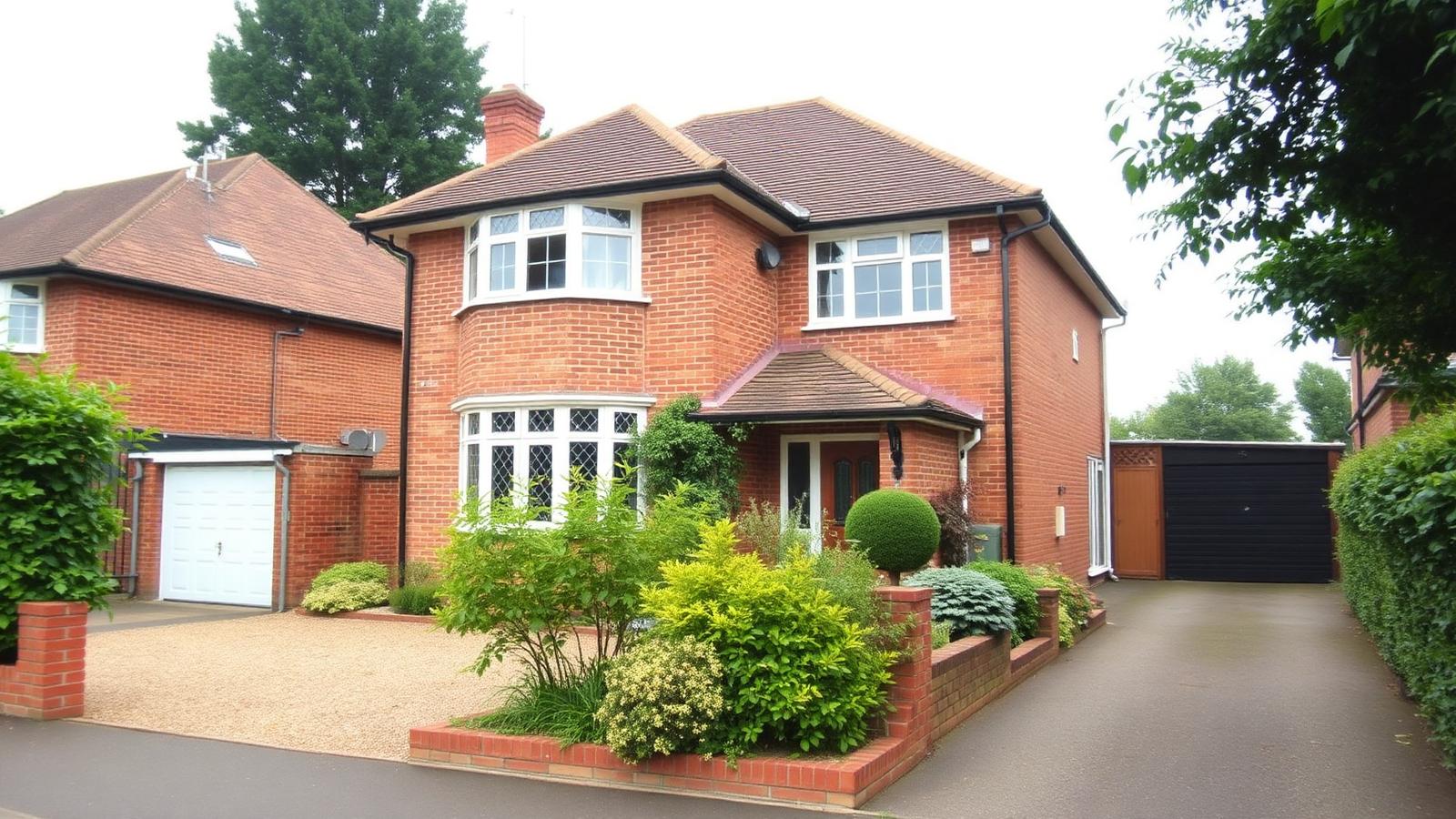
Yes, it may be possible to get a mortgage on a property with historic subsidence.
A previous movement problem does not automatically make a building permanently unmortgageable. The lender's concern is whether the cause was properly identified, whether movement has stopped, whether repairs were suitable and whether the property remains structurally sound, saleable and insurable.
The phrase “historic subsidence” can describe very different cases. One property may have suffered minor seasonal movement decades ago, followed by monitoring and localised repairs. Another may have been underpinned after significant foundation failure. A third may still show fresh cracking even though the seller describes the issue as historic.
FG & Cook's specialist lending advisers can review the valuation comments, structural reports, repair records and insurance position before identifying lenders whose property criteria may fit the case.

What is subsidence?
Subsidence is downward movement of the ground beneath a building, causing the foundations to move with it.
It is different from settlement, which can occur as a new building or recently disturbed ground compresses; heave, where the ground moves upwards; landslip, where soil moves sideways or down a slope; and ordinary thermal or shrinkage cracking, which does not necessarily indicate foundation movement.
Not every crack means subsidence. Diagnosis may require measurement, monitoring and specialist investigation rather than a single visual inspection.
What does “historic subsidence” mean?
The phrase normally means that movement occurred in the past and is no longer believed to be active.
That conclusion should be supported by evidence rather than simply by the age of the cracks.
Useful records may show when the problem was first identified, what caused it, how long it was monitored, what repairs were completed, whether underpinning was necessary, whether the insurer closed the claim and whether any later inspection found fresh movement.
A property repaired 20 years ago with no recurrence may present very differently from one repaired last year after only a short monitoring period.
Can mortgage lenders accept historic subsidence?
Some can.
A lender may accept the property where its valuer is satisfied that the movement is historic, the cause has been addressed and the building remains suitable security.
The decision can depend on the severity of the original problem, which parts of the building were affected, the repair method, the time since completion, evidence of stability, insurance availability, loan-to-value and the valuer's view of marketability.
There is no universal rule that every previously underpinned or subsidence-affected property will be refused.
What if the subsidence is still active?
Active movement is much harder to mortgage.
Where cracks are changing, monitoring is incomplete or the cause has not been removed, the valuer may be unable to recommend the property as suitable security.
The lender may decline the property, return a nil valuation, request structural investigation, require a monitoring period, apply a retention or insist on reinspection after repairs.
A cash purchase followed by repair and later refinancing may be possible in some circumstances, but it carries substantial structural, valuation and insurance risk.

What reports might a lender request?
The evidence may include a structural engineer's report, a chartered building surveyor's report, crack-monitoring records, drainage or arboricultural reports, soil investigations, insurance claim documents, repair schedules, underpinning designs, building-control records, contractor invoices, completion certificates and a claim-closure letter.
A report that merely says “historic movement noted” may not be enough.
The professional may need to address the likely cause, whether movement is active, whether repairs were adequate and whether further monitoring or remedial work is recommended.
Does the lender's valuation replace a structural survey?
No.
A mortgage valuation is prepared primarily for the lender to assess its security. It is not a detailed condition survey for the buyer.
A lender may approve the mortgage without identifying every defect or estimating the cost of future work.
Where there is a known movement history, the buyer may need an RICS Home Survey, a Building Survey, a structural engineer's investigation, drainage advice, arboricultural input or specialist monitoring.
Lender acceptance should never be treated as confirmation that the building is defect free.
Does underpinning make a property unmortgageable?
Not automatically.
Underpinning strengthens or deepens foundations and may be part of the repair where movement was serious or could not be resolved by removing the underlying cause.
The lender will usually want to know why underpinning was needed, which parts of the building were treated, who designed and completed the work, whether building-control approval was obtained, whether the work was certified and whether there has been further movement.
A properly designed, completed and stable underpinning scheme can be more reassuring than an unresolved defect with no clear repair history.
How long can subsidence monitoring take?
Potentially many months.
Monitoring may continue for around 12 months or longer where the engineer needs to observe the building through a full seasonal cycle.
This is particularly relevant on shrinkable clay, where the ground may dry and contract in summer before partially recovering during wetter periods.
A statement that cracks have not changed for three months may therefore be insufficient evidence for a lender or engineer.
Does the cause of the movement matter?
Yes.
Possible causes include shrinkable clay, trees and vegetation, leaking drains, mining, poorly compacted ground, groundwater changes, excavation, slope instability and foundation defects.
The repair must address the cause rather than only filling and decorating the cracks.
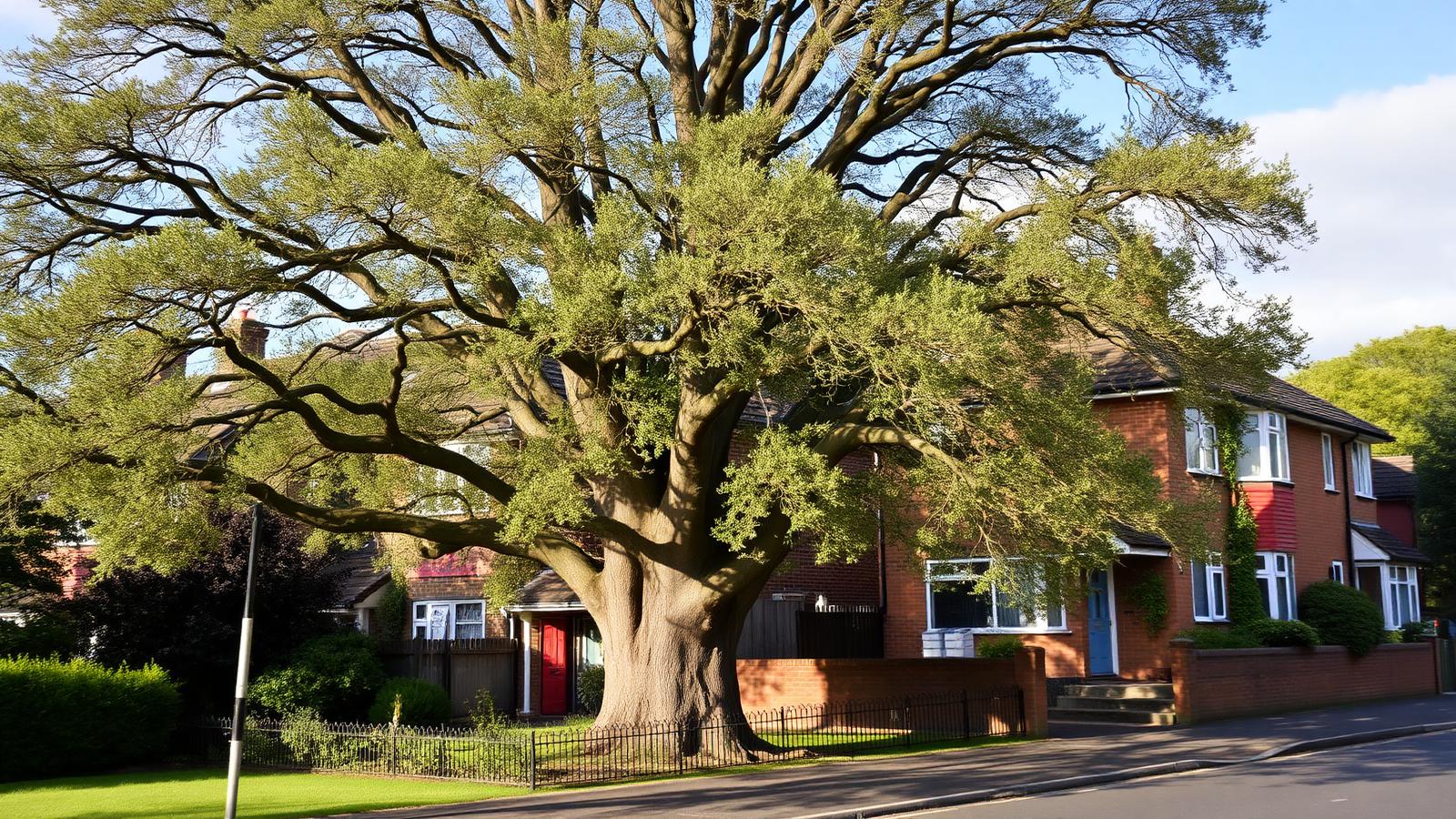
Tree-related movement requires particular care. Removing a mature tree from shrinkable clay without appropriate professional advice can, in some circumstances, contribute to ground rehydration and heave. Decisions about pruning or removal should therefore be based on structural and arboricultural advice rather than assumptions made during the mortgage process.
Where mining is a possibility, the buyer's solicitor may also need an appropriate mining search.
Why is buildings insurance so important?
Most mortgage lenders require suitable buildings insurance as a condition of the loan.
A previous subsidence claim can make cover more expensive or harder to obtain. An insurer may impose a higher premium, a larger subsidence excess, exclusions, maintenance conditions or a requirement for further reports.
The buyer should obtain an acceptable quotation before exchange rather than assume normal cover will be available after completion.
The seller's current insurer may be willing to continue cover, but this should be confirmed in writing. A buyer does not automatically inherit the seller's insurance position simply because the property is changing hands.
Can a property with historic subsidence receive a £0 valuation?
Yes, but that does not mean the property has no market value.
A nil mortgage valuation usually means the valuer cannot recommend the building as suitable security with the evidence currently available.
This may happen where movement appears active, repair records are incomplete, monitoring has not concluded, the valuer needs an engineer's report, the property is difficult to insure or the lender's policy excludes the risk.
Another lender may take a different view after further evidence or repair. The nil valuation is a lending decision, not a statement that the land and building are literally worthless.
Does historic subsidence reduce property value?
It can.
The effect depends on the severity of the movement, the quality of repairs, insurance availability and local market perception.
A well-documented historic claim with no recurrence may have only a limited impact. A heavily underpinned property with restrictive insurance or uncertain repair records may attract a larger discount.
Potential buyers may reflect higher insurance costs, reduced lender choice, future resale difficulty, possible recurrence and ongoing tree or drainage obligations.
The mortgage valuation may therefore be lower than the agreed purchase price even where the lender is willing to proceed.
Can the buyer renegotiate the price?
Potentially.
A structural report, insurance quotation or mortgage valuation may reveal risks that were not reflected in the original asking price.
The buyer may decide to continue, renegotiate, request further investigation, ask the seller to complete repairs, delay exchange or withdraw.
A lender approving the property does not confirm that the price is fair or that future insurance and resale costs have been fully reflected.
What should a buyer check before exchange?
Do not exchange contracts while the movement history, mortgage conditions or insurance position remain uncertain.
The buyer should obtain the seller's property information, previous claim records, structural and monitoring reports, repair schedules, underpinning records, building-control approvals, warranties, drainage or tree reports, a current independent survey and a suitable insurance quotation.
The solicitor should also investigate any continuing obligations involving neighbouring trees, shared drains, mining claims, warranties or insurance.
A report commissioned by the seller may be useful, but independent advice may still be appropriate.
First-time buyers can review FG & Cook's first-time buyer mortgage service before committing to a property with a structural history.
What should an existing homeowner do before remortgaging?
Collect the evidence before submitting applications.
A new lender may request documents that the existing lender never saw, particularly if the original mortgage was arranged before the movement or repairs.
The homeowner should locate the claim file, engineer's reports, monitoring results, repair invoices, underpinning records, completion certificates, claim-closure confirmation, current insurance schedule and evidence of no recurrence.
The existing lender may offer a product transfer without a new physical valuation, while a remortgage to another lender may trigger fresh scrutiny.
Our specialist lending service may be relevant where the property falls outside standard high-street criteria.
Can specialist lenders accept historic subsidence?
Some specialist or manually underwritten lenders may consider cases that do not fit automated mainstream policies.
That does not mean there is a guaranteed “subsidence mortgage”.
A specialist lender may still require a satisfactory valuation, structural evidence, completed monitoring, confirmation that repairs are complete, acceptable insurance, a lower loan-to-value and a property that remains readily saleable.
The available range may be smaller and the pricing or fees may be higher.
Repeated applications will not solve an unresolved structural concern that every valuer identifies.
Common mistakes we frequently see
One common mistake is assuming any mention of subsidence makes the property permanently unmortgageable.
Another is accepting the seller's statement that the issue is historic without reviewing the claim and engineering evidence.
Buyers sometimes confuse cosmetic crack repairs with treatment of the underlying cause.
A further mistake is concentrating only on the mortgage and failing to obtain an acceptable insurance quotation before exchange.
Perhaps the most serious mistake is becoming legally committed while the mortgage offer remains subject to structural reports, monitoring or remedial work.
How can FG & Cook help?
Historic-subsidence cases sit at the point where mortgage criteria, valuation, surveying and insurance overlap.
FG & Cook's specialist lending advisers can review the mortgage purpose, valuer's comments, structural reports, monitoring evidence, repair records, underpinning documents, insurance position, loan-to-value and current lender criteria.
FG & Cook's directors include RICS-qualified surveyors, which can help the firm understand the building and valuation issues affecting a lending decision.
Mortgage advice does not replace independent structural, surveying, insurance or legal advice. The aim is to coordinate the available evidence and identify lenders whose property policy may fit the case.
You can also explore FG & Cook's wider mortgage services or contact an adviser before making an offer, exchanging contracts or submitting an application.
FG & Cook Financial Services Limited is an Appointed Representative of OSL Financial Services Limited, which is authorised and regulated by the Financial Conduct Authority under Firm Reference Number 948512.
Your home may be repossessed if you do not keep up repayments on your mortgage.
This article is intended for general information only and does not constitute personalised mortgage, valuation, surveying, structural, insurance, arboricultural or legal advice. Lender, valuer and insurer decisions vary.